
Construction Data Is Changing the Game: How AEC Teams Win with the Right Analytics
From “garbage in, garbage out” to decision-ready insights
In construction, the firms that capture meaningful data and use it effectively are pulling ahead on cost, schedule, and quality. That was the clear takeaway from Autodesk analytics consultant Nathaniel Coombs at The Buildings Show: today’s projects generate a goldmine of information; the winners are the architects, engineers, and builders who turn that into smarter decisions.
At UTES Design & Build, we’re already putting this into practice. Here’s how the shift to data-driven delivery matters for your custom homes, additions, multiplexes, garden/laneway suites, and commercial builds.
Why data now?
- Everything creates data: models (BIM), estimates, bids, inspections, safety logs, commissioning reports, sensors, and even emails and RFIs.
- Competitive advantage: firms leading in data capability see stronger profit growth than beginners, with fewer inefficiencies and rework.
- Reality check: many construction organizations still use only a fraction of available data. The opportunity isn’t “more data”, it’s better data used by every role on the project.
What “the right data” looks like on a build
Successful projects don’t just collect data, they collect the right data, at the right time, in consistent formats.
- Engineer / Design: BIM geometry and metadata, geospatial inputs, structural loads, energy models, scope baselines.
- Estimator / Precon: model quantities, local cost indices, labour rates, bid alternates/assumptions.
- Project Manager: schedule baselines and updates, quality inspections, safety logs, change orders, labour productivity.
- Field Ops: equipment runtime and conditions, preventive maintenance, production outputs, site photos.
- Business / Finance: job cost reports, cash flow, earned value, KPIs (cost, schedule, quality).
What this means for your project with UTES
Residential (custom homes, additions, multiplexes, ADUs)
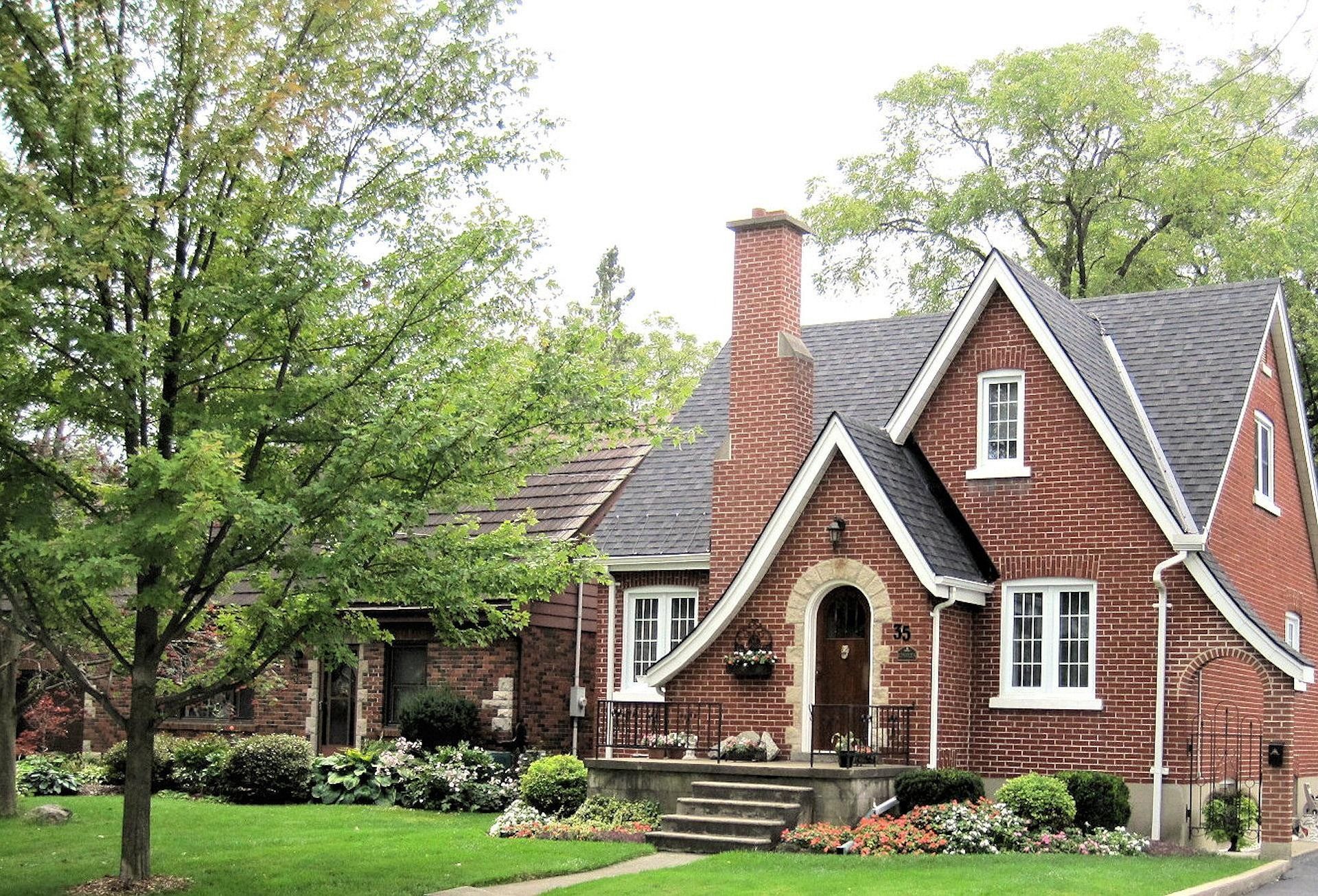
- Fewer surprises: data-backed scheduling reduces cascading delays (e.g., drywall start date slips after MEP rough-in).
- Better budget control: real-time cost tracking flags overruns early and supports value engineering decisions with evidence.
- Higher quality: digital checklists and issue tracking cut rework; commissioning data ensures systems (HVAC, envelope) perform as designed.
- Energy performance: model-to-field validation aligns insulation, air sealing, and HVAC targets with reality.
Commercial (tenant improvements, mixed-use, small retail)
- Predictable delivery: portfolio dashboards highlight schedule risk and material lead times across sites.
- Lifecycle decisions: sensor and maintenance data inform warranty claims, capex planning, and O&M efficiency.
- Tenant-ready transparency: progress dashboards give owners and tenants timely visibility.
How Does This Affect You?
Homeowners
- Expect more predictable timelines, fewer change orders, and higher-quality finishes, because decisions are made with facts, not guesswork.
- Post-occupancy data helps tune comfort and energy performance.
Builders & Developers
- Competitive advantage: tighter control over cost and schedule; faster insights for lender and investor reporting.
- Scalable repeatability: templates and dashboards standardize delivery across projects.
Commercial Property Owners
- Clearer visibility: KPI dashboards for schedule, change orders, and cash flow reduce risk.
- Better operations: asset and maintenance data lowers lifecycle costs and improves reliability.
UTES: Data-driven by design
We integrate architecture + engineering with data workflows, from BIM to site to handover, so your project benefits from evidence-based decisions at every step. If you want a build that’s smarter on cost, faster on schedule, and stronger on quality, we’ll show you the metrics that get you there.
Let’s discuss a simple, high-impact dashboard for your next project; cost, schedule, and quality in one view. A little data goes a long way.


Ontario Launches First‑in‑Canada Online Registry to Track Workplace Exposure to Hazardous Substances