Ontario Launches First‑in‑Canada Online Registry to Track Workplace Exposure to Hazardous Substances
A Major Step Forward for Worker Health, Safety, and Long‑Term Protection
Ontario has unveiled the Occupational Exposure Registry (OER), the first digital platform of its kind in Canada, giving workers a secure tool to record, track, and understand their exposure to hazardous substances on the job.
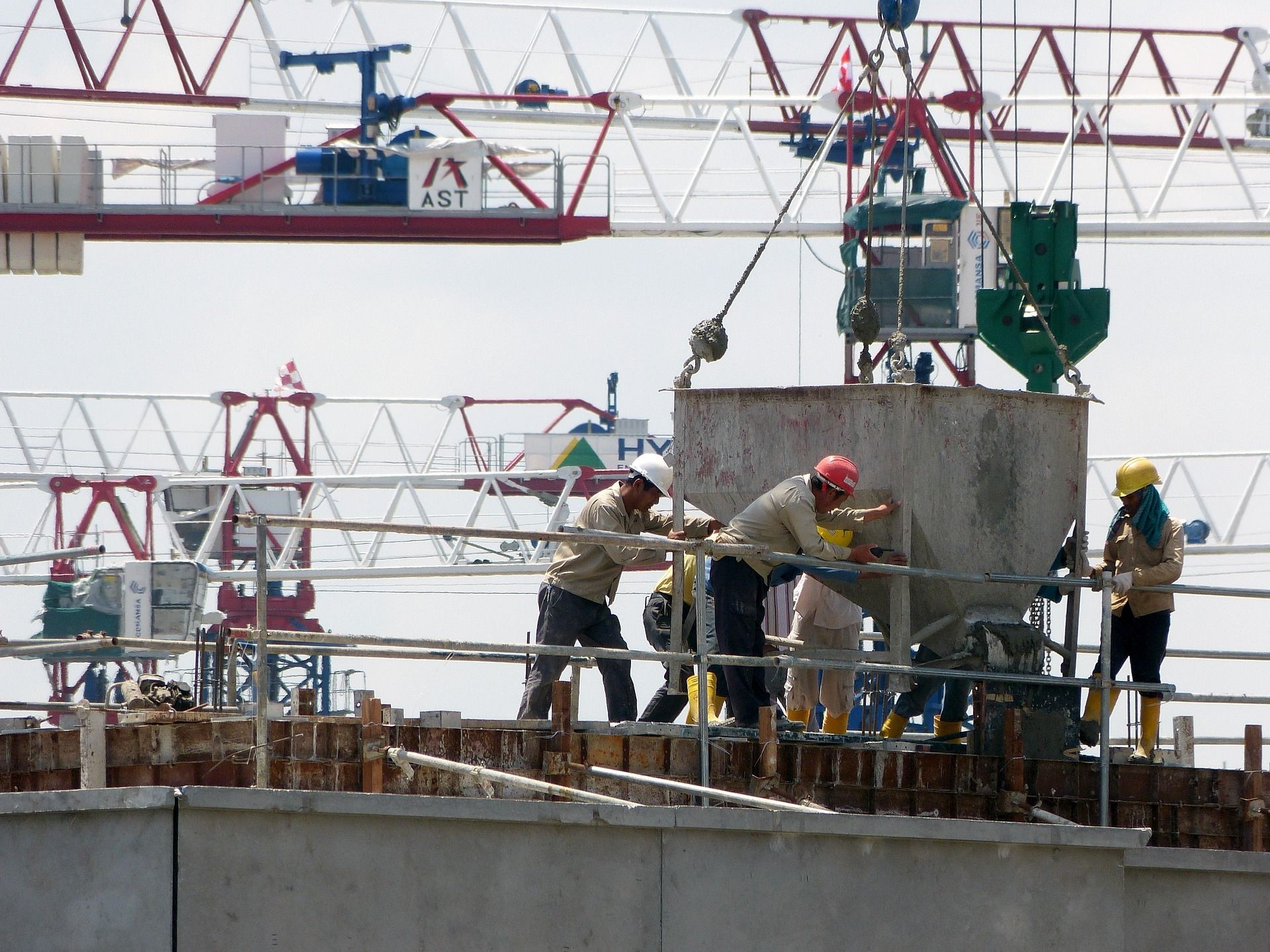
Announced by the Ministry of Labour, Immigration, Training and Skills Development, the registry empowers workers in construction, industrial trades, and other high‑risk sectors to document exposure events throughout their careers, supporting better health monitoring and disease prevention.
What the Registry Does
The OER provides workers with:
A secure, anonymous self‑tracking tool
Workers can log exposures to 11 designated hazardous substances, including:
- Asbestos
- Lead
- Mercury
- Silica
Detailed exposure documentation
Workers can record:
- How the exposure occurred
- What protective equipment was used
- Whether ventilation or training was in place
Each submission also generates:
- A confirmation email
- A downloadable personal exposure record
Long‑term health support
Occupational illnesses often develop slowly, sometimes decades after exposure.
The OER allows workers to maintain a career‑long exposure history, helping:
- Future medical assessments
- Early detection of occupational diseases
- Claims support if illness develops later in life
Why This Matters
Occupational illnesses remain one of the most under‑recognized threats in the workforce:
- 76% of workplace fatalities between 2010 and 2019 in Ontario resulted from occupational illnesses.
- In 2025, the WSIB recorded 20,886 allowed occupational disease claims.
This registry directly responds to recommendations in Ontario’s 2023 Occupational Disease Landscape Review and expands the province’s ongoing efforts under the Working for Workers Act, 2023 to improve jobsite safety, transparency, and prevention.
Labour representatives, including the Provincial Building and Construction Trades Council of Ontario, praised the initiative for empowering workers to take an active role in their health and long‑term safety.
How Does This Affect You?
Homeowners
- Safer job sites mean safer renovations, additions, and new builds.
- Registered exposure tracking encourages contractors to follow proper safety practices and protective measures.
Builders & Developers
- Regulations around hazardous substances are tightening, making documentation and compliance more important than ever.
- Projects involving demolition, excavation, older homes, or commercial retrofits may require additional planning and risk management.
Commercial Property Owners
- Buildings with older materials (e.g., asbestos, lead paint, old mechanical systems) benefit from improved transparency and safer remediation workflows.
- Exposure tracking strengthens due diligence and supports better long‑term asset management.
UTES Design & Build: Committed to Worker Safety and Smart Project Delivery
At UTES Design & Build, we prioritize safety across every custom home, addition, laneway suite, multiplex, and commercial project. Our teams follow strict protocols for handling hazardous materials and ensure compliance with evolving provincial requirements.
Partnering with us means:
- Clear risk assessments before construction begins
- Proper containment and remediation procedures
- Documented safety practices throughout the project
- Peace of mind knowing your home or building is being handled responsibly
Contact us today to learn how we manage safety and environmental risk on all UTES projects — and how your next build can benefit from industry‑leading practices.